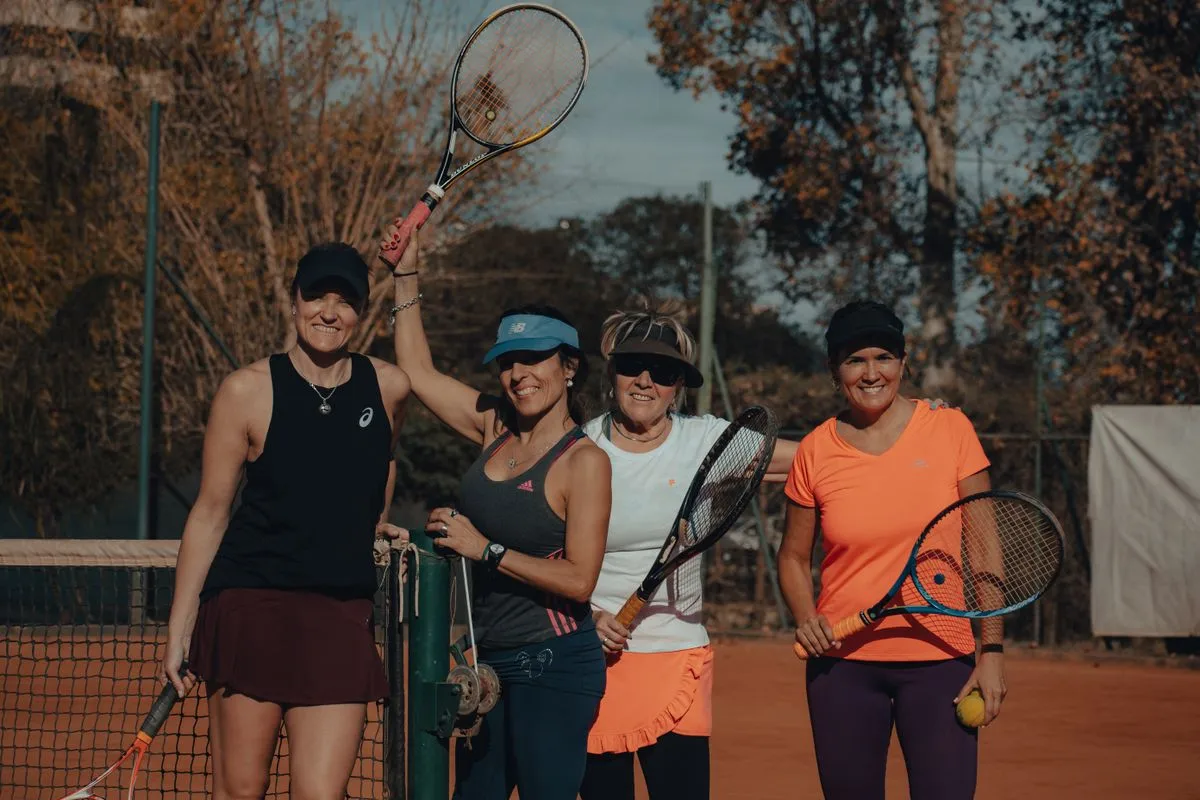
On a bench next to the court two players discuss a game they lost. They can remember a volley that flew long, a very wide serve and several exchanges through the middle. Their views of the game are different because each spent it looking through a separate part of the court. In the time they have to rest, those observations can become a shared experiment or a recital of individual mistakes. An experiment gives them one thing they can check during the next few points.
Choose an event both players recognized. A server may remember the net player covering the alley while the opponent guided returns through the middle. The net player may remember the same return without connecting it to their starting point. Agree on where the ball was struck and which way it traveled. Even a small physical fact makes the two accounts easier to compare. Then ask which other reply might become possible when one person adjusts.
Leave some space for the obvious answer
An opponent changing direction may have hit an especially good ball. Tell the partner whether you saw that shot several times and from similar positions. One sharp angle from an outstretched racket may belong to the point alone. A repeatable path from a stable contact deserves more of the team's attention. There is no need to abandon a working pattern to answer an exceptional stroke. An adjustment with room for the ordinary case will be less expensive to try.
Choose a new starting spot if the next game allows an early test. If the adjustment concerns the first ball after a certain type of serve, ask the partner to describe their role when that serve goes somewhere else. The original plan may still suit the other points. A conditional agreement is easier to keep than a sweeping instruction to stand farther forward. Both players can look for the condition before deciding what ought to change.
Listen for a suggestion a partner can use
A sentence about where to stand can sound like an assessment of how somebody played. Put the observation and the action in separate short thoughts. The return came back low through the center. I can protect more of that space if you wait a step wider. Your partner can now agree, offer something else or say they will be too far away to cover the next ball. Their view may resolve a detail the speaker could not see.
At the beginning of the next game, recall only the part useful right now. If it is your serve, the agreed receiving movement can wait. Try a simple signal that refers to the same picture you discussed. A player who needs a moment to adjust might want to be reminded where the opposite net person stood. Extra language takes time away from noticing the opponent and deciding when the point can responsibly begin.
Read the result with both views available
At the next suitable break, say what you actually saw and ask what your partner could do. Perhaps the net player covered the center and the opposing receiver aimed wide immediately. The first aim was met and another possibility arrived. The pair can now compare whether the wide return was as comfortable as the central one and how many choices each person had for the next ball. A single won point is welcome. The visible change tells you whether the pattern has a useful future.
A changeover can also be a time to rest without learning anything new. If communication has become tiring, use one sentence to confirm the plan already working and let the next point be fresh. The bench has done enough when each player can return to their side knowing what the other person will try to see. The rest of the match can still give them room to discover its own questions.
If the two observations seem incompatible, agree that one person will watch the next occurrence while the other plays normally. Give them an event to recognize. A little more evidence can be the only productive project for the next game.