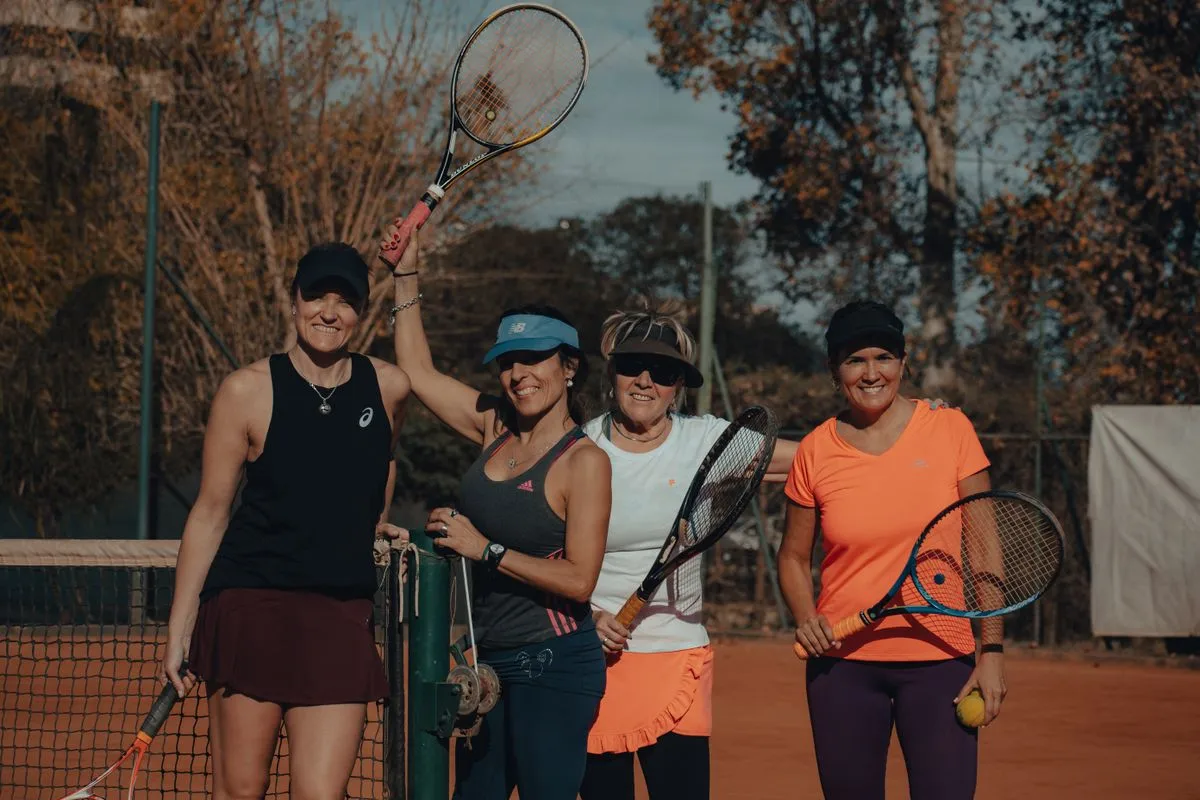
A steady doubles pair begins a game with a short conversation. The server names a broad central target. The player at the net knows they will watch for a return within reach of their first step. Both are familiar enough with the ordinary start that the call can be short. The point reveals the plan's limits. The serve goes wider and the returner takes it from a spot neither partner had in view during the conversation. An agreement stays useful when it gives both people something to recognize after the ball has been served.
Select a serve the server can reliably put in play within a comfortable margin. The two players should see the broad area from their own starting positions. Discuss the first likely reply and the position the server could occupy after completing the motion. A difficult direction can be attractive because it promises a clear volley for the partner. Success depends on whether the server can produce it and then take up the expected next job. Try a simple version with less demand before asking it to win anything.
Make the condition easy to identify
Put the plan in words a player can use while facing the other way. If the serve reaches the intended region, the net player has one possibility they will look for. If the serve lands elsewhere, both play the ordinary shape at first. A confirmed signal before a point can make the planned start clear. The contacts during the point still offer the final evidence. An agreement to move whenever a particular mark is reached might ask a player to name an exact landing under time pressure. A direction and comfortable first move can be easier to recognize.
In practice, ask the returner to send a few different playable replies. If the net player can only anticipate one specific height, the possible crossing may deserve a narrower condition. If the usual reply produces another clear opportunity, the pair can practice both owning the next ball. Notice which part the partner can see without losing sight of the opponent. The two people don't have to predict the same stroke from the same position. They need a compatible sense of who can cover its consequences.
Walk the server's next movement
Stop a trial just after the first return. Ask the server to show where the serve has left them and the net player to show the space they are thinking of protecting. Some serves carry a server a little farther in one direction. The net player may be expecting an immediate recovery across a larger gap. Try a small movement at the net first and watch what the server can realistically reach. A plan that fits the available distance can remain readable even if the contact was less than ideal.
Keep the returning team involved. They might notice one opening appearing on almost every repetition. Ask them to show the easiest response rather than the one most likely to punish a mistake. The pair can choose how to defend the ordinary reply and retain a plan for the exception. Practice one adjustment at a time so a successful result has a visible source. Moving both people and changing the target together can make it hard to learn what helped.
Take the plan into one part of a real game
Use it on the first point where the agreed serve feels natural. Give the net player room to stay if the return arrives somewhere else. Afterward, describe whether the trigger was visible and how much time the server had to reach the next position. A point can be won without learning anything about the agreement. A point can be lost and still show the two people read the same opening and had legitimate next shots.
A familiar team can keep a useful pattern because it is simple to recover. Name the start, the condition for moving and the reachable position after the first response. When the plan fits those three practical events, it can remain one ordinary option among the rest of the team's points rather than a script the partners must force an opponent to follow.