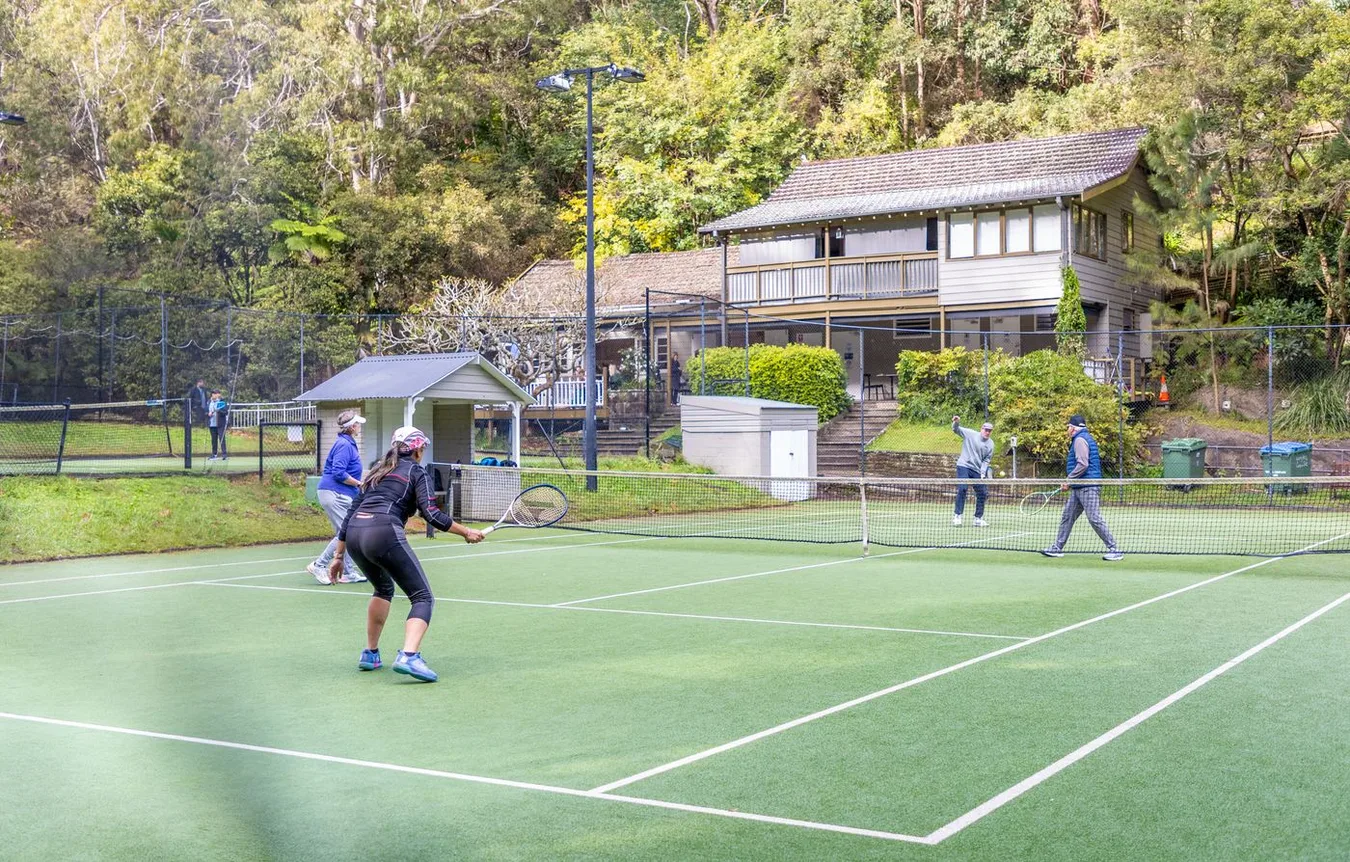
A returner sends a stretched ball high and deep. The hitter on the other side moves back to prepare, and both players on the receiving side begin to move. One heads forward at once because the ball landed near the baseline. Their partner still needs a moment to recover from the original reach. The opponent takes the next shot at a comfortable height and sends it into the gap between them. A promising return had bought time and the pair spent it on two plans.
A team can make a simple habit of checking the destination of its reply and the readiness of its own players. One cue belongs to the far side. Is the opponent moving back slowly or are they already in a stable place? A second cue belongs to your side. Who is still recovering from a wide or deep contact? Those two answers can suggest a small adjustment or an opportunity to move forward. A ball near a line alone offers less information.
Rehearse the first stop
In a practice, ask a feeder to give one player a deep ball that can be lifted back. Let the partner hear the rally but keep their eyes on the next opponent. Just before that opponent takes the shot, see whether both people are able to settle into a position from which they can move again. A quickly chosen stop near the original place may be useful if both partners can observe contact. A player who keeps running through the next shot might have to commit to a direction before knowing where the ball will go.
Try a second trial with the opposing player having a shorter move back. The pair may be able to take less ground and still represent a complete team on the next ball. Ask each person where they can see the next contact from and which angle belongs to them. The answers can reveal when a little more depth is helpful. Comfort attending to the next reply is a better measure for this drill than the total distance gained between points.
Use one partner as the movement reference
If the returner has been displaced, the closer player's movement can follow the rate at which the partner comes back into view. The front player's next position should give the returning partner a path to cover their part of the court. Practice a wide feed where that path crosses behind the original contact. A shorter movement at the front can leave room for both players. The other version can have the returning player recover very quickly, offering the pair a moment to regain a forward position together.
A clear call can help when one person's recovery route is behind the other. Short words can describe whether to hold or move. The person giving the instruction should be able to see why it matters to a reachable ball. Another pair might already demonstrate the relationship by a short stop in position. Let communication make an available action easier to recognize. A fixed call used on every high ball can eventually lose that purpose.
Confirm the possibility with the following shot
Play beyond the opponent's first response to the deep return. A ball angled away from the recovering person may need a larger shared change. A high reply back toward the same opponent can create another opportunity to settle before taking depth. Ask which partner can see the new option earliest. They may have time to guide the other player toward a visible arrangement.
After trying it in a normal game, choose one moment when a deep return gave both people time to stop and see. Identify what the following play allowed. The pair may have reached the next volley early, or simply regained two reachable paths from an awkward point. That result is an observable use of time the return bought, regardless of whether the eventual point went their way.
Rehearse the recovery at one pace your group seldom chooses in a match. It can show where the pair start seeing the following shot before the actual ball makes them react.