Let the returner set the starting depth
A doubles partner can help a returner by moving in relation to the expected contact point and the reply the other team can reach.
8 stories
A shared rule for the first volley through the middle gives both partners time to move. The useful agreement leaves room for a ball that arrives higher, deeper or faster than expected.
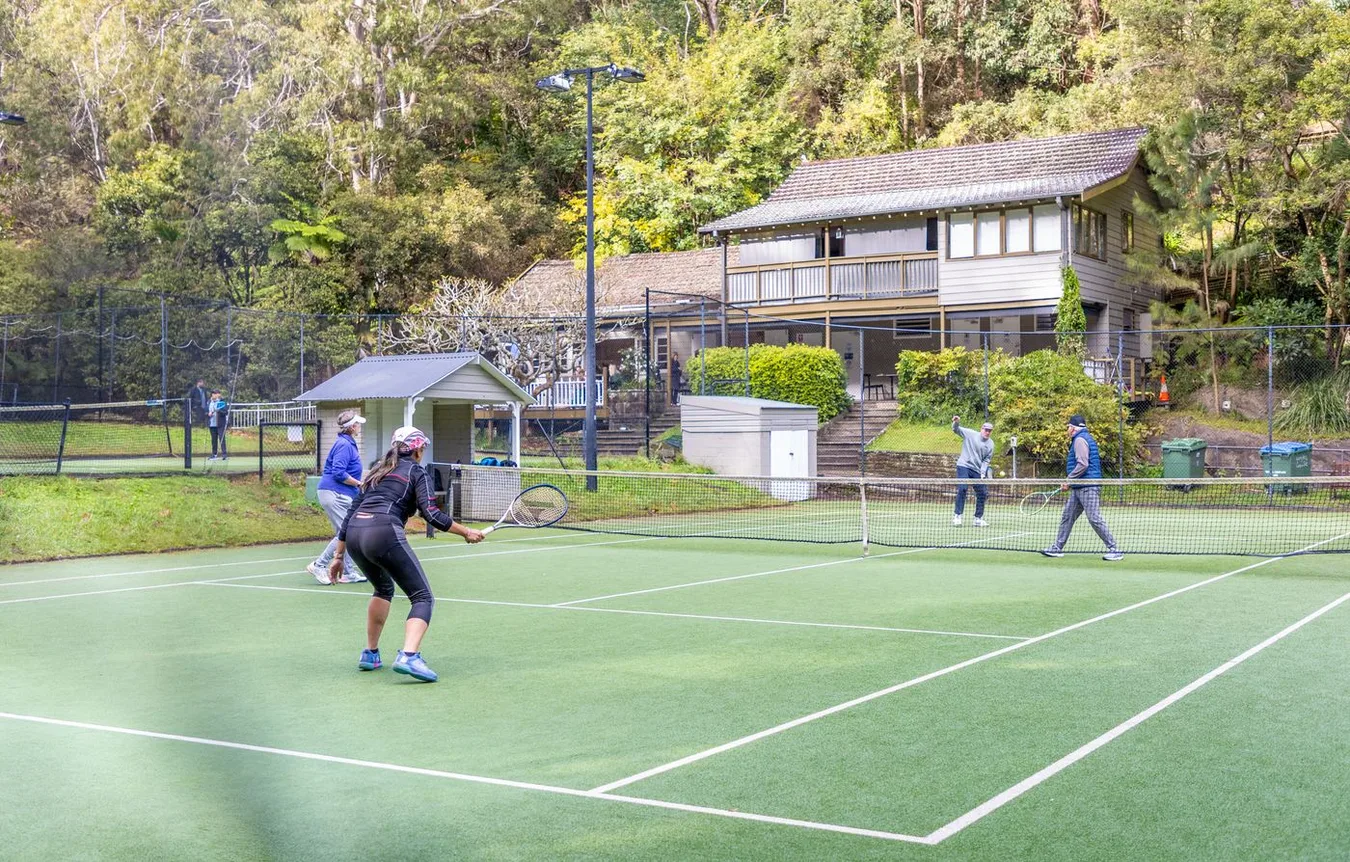
A doubles partner can help a returner by moving in relation to the expected contact point and the reply the other team can reach.
The first move reaches the ball. A second movement by both partners can determine whether the pair can use the next reply.
A team can practice deciding who tracks a lifted ball and who protects the next reply. Starting position and the direction of travel matter as much as a call.
A staggered starting position lets partners see different things. Test which replies each person can reach before deciding whether to move together.
A deep return can give the team a chance to recover. Decide where each partner can stop and see the opponent before pressing forward again.
When the ball travels diagonally, both partners can see a new route down the line. Test how much movement is useful before taking away a comfortable middle.
A player waiting ahead may accidentally screen the important contact from a partner. Compare slight offsets before asking either person to move farther.